


Just what the doctor ordered
- steve8125
- Jul 7, 2025
- 3 min read
In recent years, healthcare has experienced remarkable changes that have significantly improved patient outcomes.
In the background, research is the backbone of the medical sector, and here 3D printing is providing a helping hand. From personalised medical devices to enhanced surgical planning, from printing body parts for research to actual uses of these part being used for patient care.
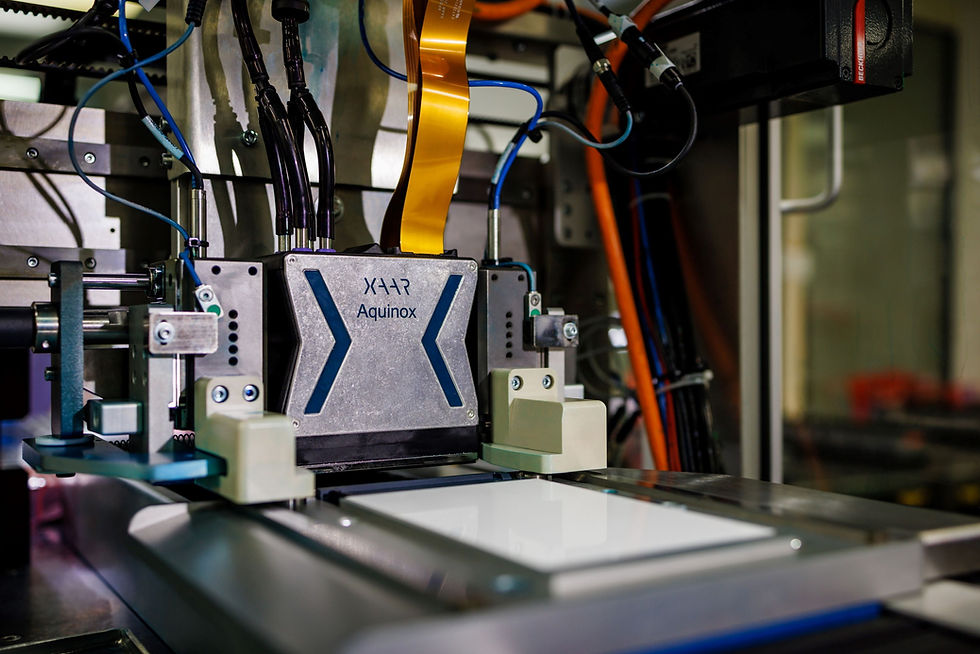
So long as a material can be 'jetted' through a printhead, 3D printing holds the ability, both now and as the technology develops even further, to print all manner of medical devices, body parts and research aids.
3D printing allows for the creation of personalised medical devices that fit the unique anatomy of each patient. Traditional manufacturing often results in products that do not meet individual needs, which can lead to discomfort and reduced effectiveness.
For example, instead of using a standard prosthetic limb that may cause issues, doctors can now create customised prosthetics tailored to each patient's body. This customisation greatly enhances comfort and improves functionality. And, patient's can even have soem fun with the design, making them simply feel better – particularly good if you are dealing with children for instance.
Moreover, the ability to align CT or MRI scans to create 3D models helps in crafting implants and dental products that fit perfectly. The result? Reduced complications and shorter recovery times, helping patients return to their daily lives faster.

3D printing is also revolutionising how surgeons prepare for operations. By using 3D printed models created from a patient’s imaging scans, surgeons can visualise the surgical site in detail. This practice leads to better preparation as they rehearse complex procedures with realistic models.
For instance, during heart surgery, a 3D replica of the patient’s heart can help surgeons plan their approach with precision. Studies show that surgeons using anatomical models report a 30% increase in confidence compared to those relying solely on 2D images.
One of the most promising areas in 3D printing is 'bio printing', which involves creating living tissues and even organs from a patient's cells. While still in the early stages, this technology holds the potential to significantly reduce the struggle for organ transplants.
For example, researchers are developing bio printed heart valves and skin grafts using a patient’s own cells. This can not only reduce the chances of organ rejection but also shorten recovery periods by providing immediate, personalised solutions. Imagine a scenario where a patient needs a new kidney and can receive one custom-made using their own cells, drastically reducing the time spent on waiting lists.
3D printing is also streamlining the manufacturing of medical devices, which can be traditionally expensive and time consuming. The old process often involves multiple suppliers, excessive steps, and long wait times.
In contrast, 3D printing enables on-demand production – even in the hospital, reseach facility or speciality clinic local to the patient. Hospitals can print what they need as they need it, significantly cutting down costs and reducing waste associated with excess inventory.
3D printing is reshaping medical training, providing students and surgical trainees with realistic anatomical models to practice on. This allows them to build skills in a safe environment, leading to better preparedness for real life situations.
For instance, medical students can practice complex surgical procedures on 3D printed models that simulate various cases. This hands on experience fosters confidence and competence before they encounter real patients. Experienced professionals can also use this technology to keep their skills sharp, practice new techniques or refine existing ones without the risk of putting lives in danger.
Despite its advantages, integrating 3D printing into medicine comes with notable challenges. Regulatory issues, the need for material standardisation, and ethical considerations in bio printing remain significant roadblocks – but, it is still early days.
As technology evolves, it is vital for stakeholders to work together on developing guidelines and standards that prioritise safety and effectiveness. Collaborative efforts in research can help surmount these obstacles, ensuring that 3D printing reaches its full potential in healthcare.
3D printing stands to transform the medical field significantly, providing benefits that enhance patient care, improve outcomes, and streamline operations, as well a shelping heathcare workers to simply do what they do better. From custom medical devices to innovative surgical planning and education, the possibilities are vast.
Patients can look forward to a future where healthcare solutions are not only more effective but also tailored to their specific needs. As we embrace this innovative technology, it is clear that 3D printing is reshaping the way healthcare is delivered, marking the beginning of a new era that promises to be more personalised, efficient, and importantly, life saving.


Comments